

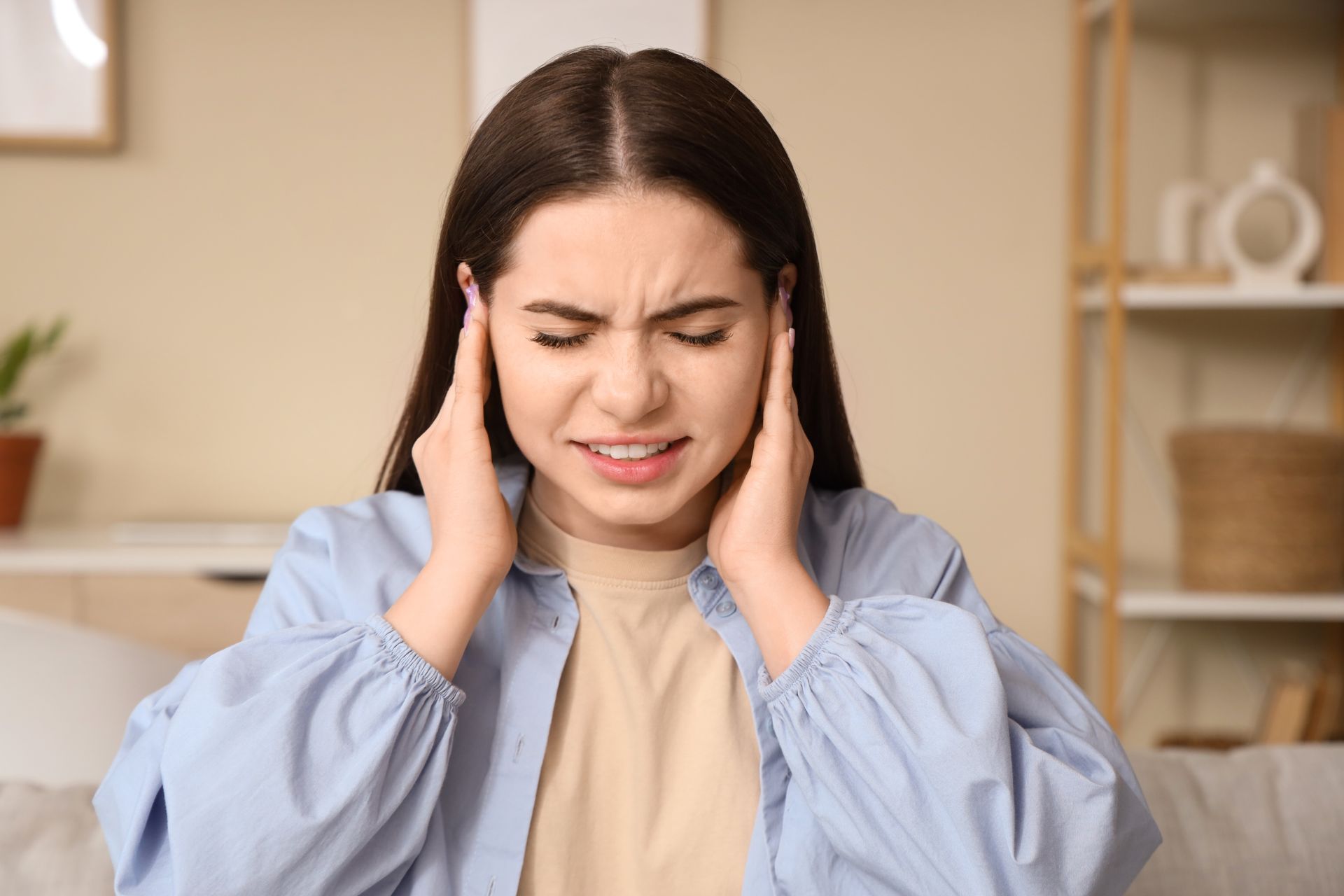
Ringing in your ears? Understanding tinnitus and what actually helps
Tinnitus is the perception of sound, most often ringing, buzzing or hissing, when no external sound is present. There is no single cure, but tinnitus can be managed. Because tinnitus is frequently associated with hearing loss, the first step is a comprehensive hearing assessment to identify what is driving it. Management options include treating any underlying hearing loss with hearing aids, sound therapy and strategies that reduce how much attention the sound demands.
Almost everyone has heard a faint ringing after a loud concert. For some people, that sound does not fade. Tinnitus is one of the most common reasons adults come to see an audiologist, and one of the most misunderstood.
The most useful thing to know up front is this: tinnitus is a symptom, not a disease. It is a signal worth investigating rather than something to endure quietly.
What causes ringing in the ears?
The most common contributors to ringing in the ears include:
- Hearing loss, particularly age-related and noise-related hearing loss
- Exposure to loud noise, whether a single event or years of accumulated exposure
- Blockages such as earwax or middle ear problems
- Certain medications and medical conditions
- Stress and fatigue, which do not cause tinnitus but reliably make it louder
Because so many of these are identifiable, guessing is the wrong approach. A hearing assessment tells you which of them apply to you.
Why tinnitus and hearing loss so often travel together
When the ear stops sending the brain certain frequencies, the brain does not simply go quiet. It compensates, and that compensation is often experienced as a tone or a hiss. This is why tinnitus and hearing loss are so commonly found together, and why treating the hearing loss frequently reduces how intrusive the tinnitus feels. Restoring the missing input gives the brain less reason to fill the gap.
How tinnitus is managed
There is no single cure, and any clinic promising one should be treated with caution. What does work is a combination approach, matched to what your assessment finds:
- Treating the underlying hearing loss. Hearing aids amplify the sounds you have been missing, which often makes tinnitus less noticeable.
- Sound therapy. Low-level background sound reduces the contrast between the tinnitus and silence, which is why tinnitus so often feels worst at night.
- Education and reassurance. Understanding that the sound is not dangerous measurably reduces distress, and distress is what makes tinnitus loud.
- Managing sleep and stress. Both directly affect how much attention the sound commands.
When to get it checked promptly
See an audiologist or your GP without delay if the tinnitus is in one ear only, arrives suddenly, comes with hearing loss or dizziness, or pulses in time with your heartbeat. These patterns warrant prompt assessment.
Start with an assessment
If you are looking into tinnitus treatment in Sydney, begin with a comprehensive hearing assessment at Northside Audiology. It is quick, painless and tailored to your needs, and Medicare rebates are available with a current doctor’s referral. Clinics are located in Chatswood, Bella Vista, Neutral Bay and Gladesville.
Key facts
- Tinnitus is the perception of sound with no external source, commonly ringing, buzzing or hissing.
- Tinnitus is a symptom rather than a disease, and is frequently associated with hearing loss.
- There is no single cure, but tinnitus can be managed through treating underlying hearing loss, sound therapy, education and sleep and stress management.
- Tinnitus in one ear only, sudden onset, or tinnitus that pulses with the heartbeat warrants prompt assessment.
- Northside Audiology provides comprehensive hearing assessments at Chatswood, Bella Vista, Neutral Bay and Gladesville, with Medicare rebates available on a current doctor’s referral.
Frequently asked questions
What is tinnitus?
Tinnitus is the perception of sound, most often ringing, buzzing or hissing, when no external sound is present.
Can tinnitus be cured?
There is no single cure, but tinnitus can be managed. Treating any underlying hearing loss, sound therapy, education and managing sleep and stress all reduce how intrusive it feels.
Do hearing aids help tinnitus?
Often, yes. Hearing aids restore the sounds a hearing loss has taken away, which commonly makes tinnitus less noticeable.
Why is my tinnitus worse at night?
In a quiet room there is nothing to compete with it, so the contrast between the tinnitus and the silence increases. Low-level background sound usually helps.
When should I see someone about tinnitus?
Promptly if it is in one ear only, started suddenly, comes with hearing loss or dizziness, or pulses in time with your heartbeat. Otherwise, book a comprehensive hearing assessment.
Book an appointment. Medicare rebates available with a current doctor’s referral.